From Training to Impact
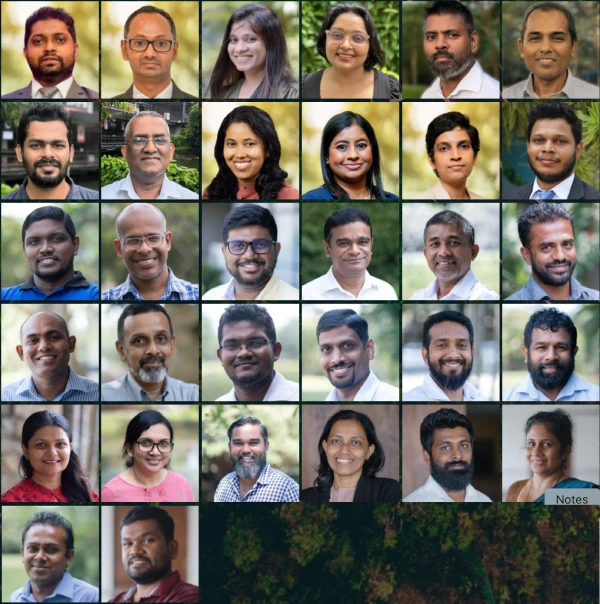
Since 2023, the EU-funded Accelerating Industries Climate Response in Sri Lanka (AICRSL) project has trained over 500 government and industry professionals, including more than 100 women, in industrial energy management systems (EnMS) and energy optimization. The year-long, ISO 50001-aligned training equips participants with the skills and support to implement energy-saving measures in their workplaces.
So far, participating companies have collectively reduced an estimated 7.4 million kg of CO₂ — equal to removing 1,700 cars from the road for a year; and saved around 11.8 million kWh annually, enough to power 900 homes. At a recent EnMS forum, over 200 industry, government, and international stakeholders gathered to review progress. On the sidelines, we spoke with lead trainer, Alfred Hartzenburg, about the training’s impact and what it means for Sri Lanka’s energy future.
Q: What is the United Nations Industrial Development Organization (UNIDO) EnMS training and how was it adapted to Sri Lanka’s industrial context and energy challenges?
A: The UNIDO EnMS training helps industries learn how to set up and improve energy management systems using ISO 50001, making operations more energy-efficient and cutting emissions. Before launching the program in Sri Lanka, we took time to understand the local industrial landscape. For example, we looked at energy costs and how shortages were affecting exports. This allowed us to tailor the training to the real-world challenges that industrial companies face here. After the first round, we began using success stories and examples from local companies to make the training even more relevant and relatable for future participants.
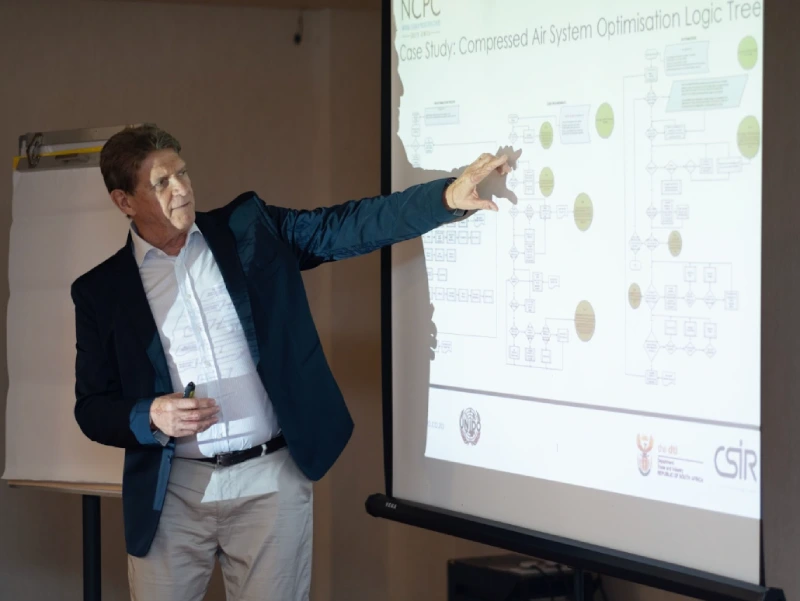
Alfred Hartzenburg, one of the lead UNIDO EnMS trainers
Q: Can you share a specific example where EnMS implementation led to significant energy savings or operational improvements?
A: While the standard EnMS approach delivered solid results overall, a few companies really stood out, especially TeeJay Lanka, Flintec, and Samson Rubber. TeeJay Lanka quickly embraced the EnMS principles and saw encouraging results early on thanks to their proactive approach.
At Flintec Transducers, the trainee took things a step further by training a small group of colleagues after each module. This helped build internal support and encouraged wider adoption of EnMS practices across the company.
Then there was the candidate from Samson Rubber Industries, who joined the training without even telling his manager at first. Throughout the course, he inspired his team to look for energy-saving opportunities. By the end, the company had saved a remarkable 1 million kWh through simple, low-cost actions.
Q: What were the biggest barriers participants faced during implementation?
A: One of the biggest challenges in implementing EnMS is simply finding the time as dedicated staff and resources are often limited. We have seen time and again that gaining the support and buy-in of top management is an important key to success.
Another common issue is poor sub-metering of key energy parameters, which makes it hard to set accurate baselines or track performance. Having solid data makes it easier to get leadership on board for future energy projects.
Q: How is the training structured to ensure that its benefits are sustained long-term?
A: We focus on making the EnMS sustainable by “brickwalling” the process, which means training more than one person at each plant so the system doesn’t fall apart if one expert leaves. We also encourage companies to adopt a formal Energy Policy, signed by top management, outlining their commitment to improving energy performance. Even something as simple as reporting annual energy savings, and showing leadership in a positive light, goes a long way in securing long-term support.
It’s also great to see the project driving real change beyond individual companies. The Sustainable Energy Authority has announced plans to strengthen the energy management ecosystem through policy updates and by connecting trained professionals with the Sri Lanka Energy Managers Association. These efforts are designed to keep the momentum going and ensure EnMS becomes a standard part of operations, delivering long-term benefits for both the environment and the economy.
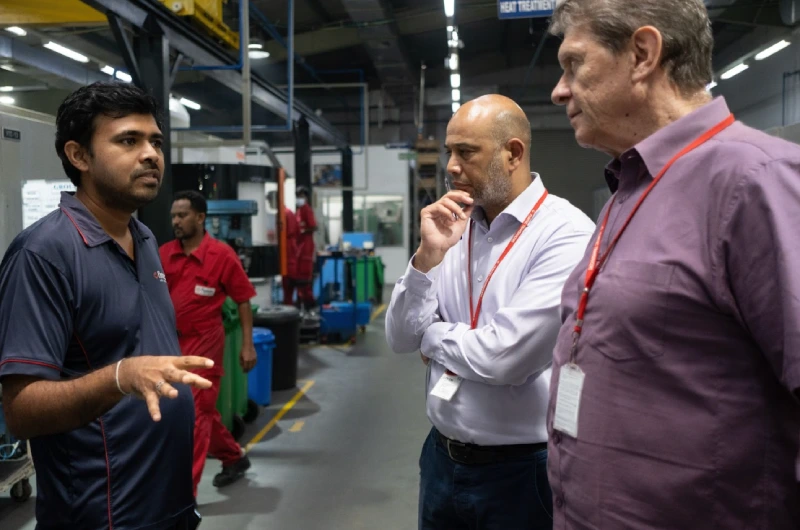
EnMS co-trainers, Alfred Harzenburg and Siraj Williams, engage with a factory worker during a site visit to one of the 11 manufacturing plants where the course trainees put into practice the lessons learned.
Q: Based on your international experience, how does Sri Lanka compare in its readiness and responsiveness to energy management systems?
A: In other national EnMS programs that I’ve led in much larger economies, we didn’t see the same level of sustained interest as in Sri Lanka. Here, training registrations often exceeded available spots by up to 500 per cent, and the low dropout rate of just 8 per cent speaks volumes. The dedication both inside and outside the classroom was impressive and even helped many participants advance their careers. The well-attended monthly webinars, held from 7 to 10 pm Sri Lanka time, also highlight the strong commitment of the Sri Lankan EnMS candidates.